
Keep an eye on today's gold, silver, platinum and copper prices as they move — with live charts, a gold price calculator, price alerts and the latest market news.
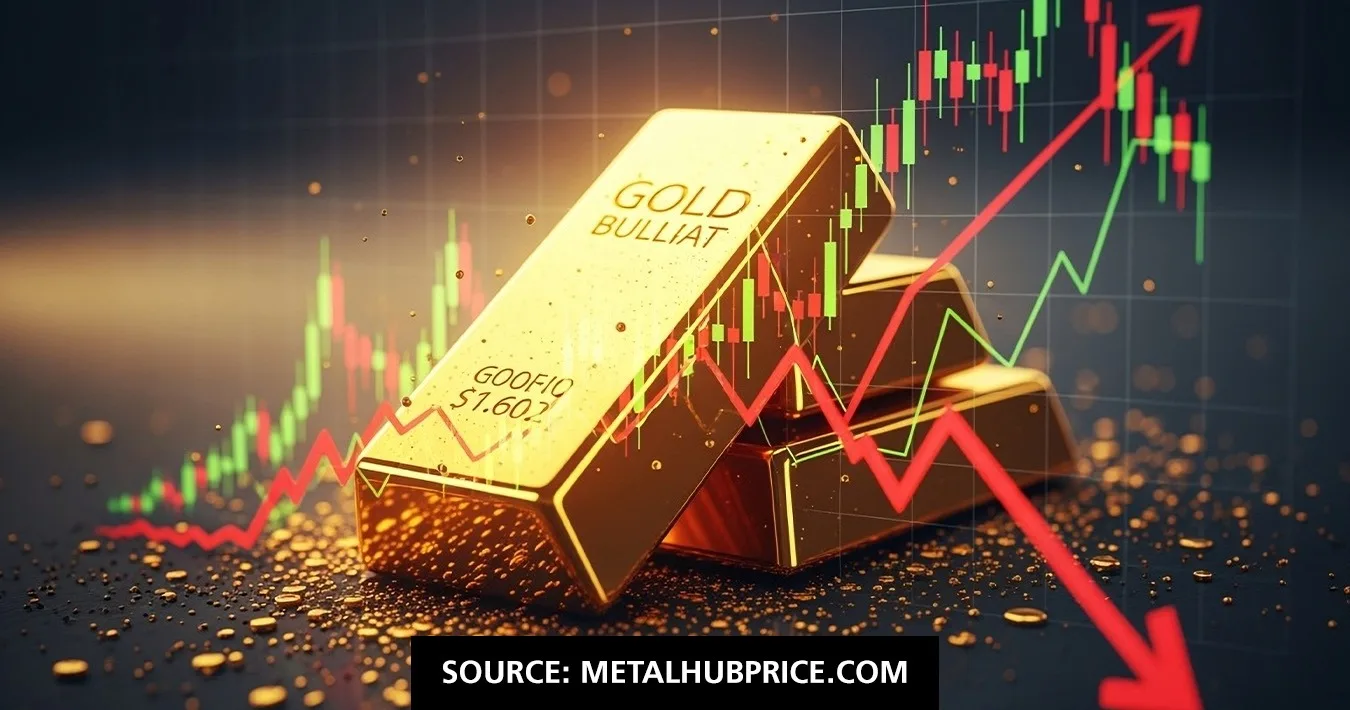
For most of the 20th century, gold's price wasn't really a "price" at all in the way we think of one today. It was a fixed legal rate, set by governments rather than markets. That changed in 1971, and what followed is one of the more instructive case studies in how geopolitics, inflation, and investor psychology interact to move an asset's price over time.
Buying gold or silver is only half the equation. Where and how you store it has a direct effect on its security, accessibility, and even its long-term value, since poor storage decisions can lead to loss, theft, or unnecessary costs. This guide walks through the main storage options, what to consider when choosing between them, and how insurance fits into the picture.
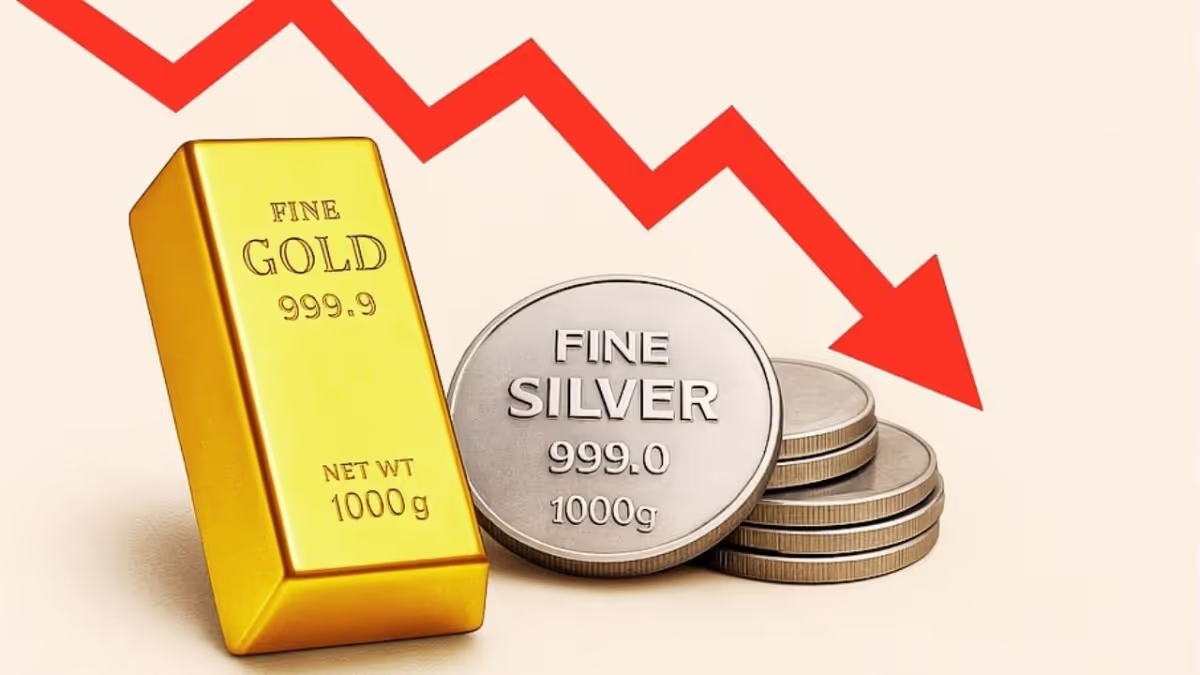
Gold broke below $4,000 for the first time in 8 months on July 1, 2026, falling from its $5,589 ATH (-29%). Silver hit a 2026 low of $55.63 (-54% from ATH). The 6 real reasons and institutional floor forecasts for 2026–2027.
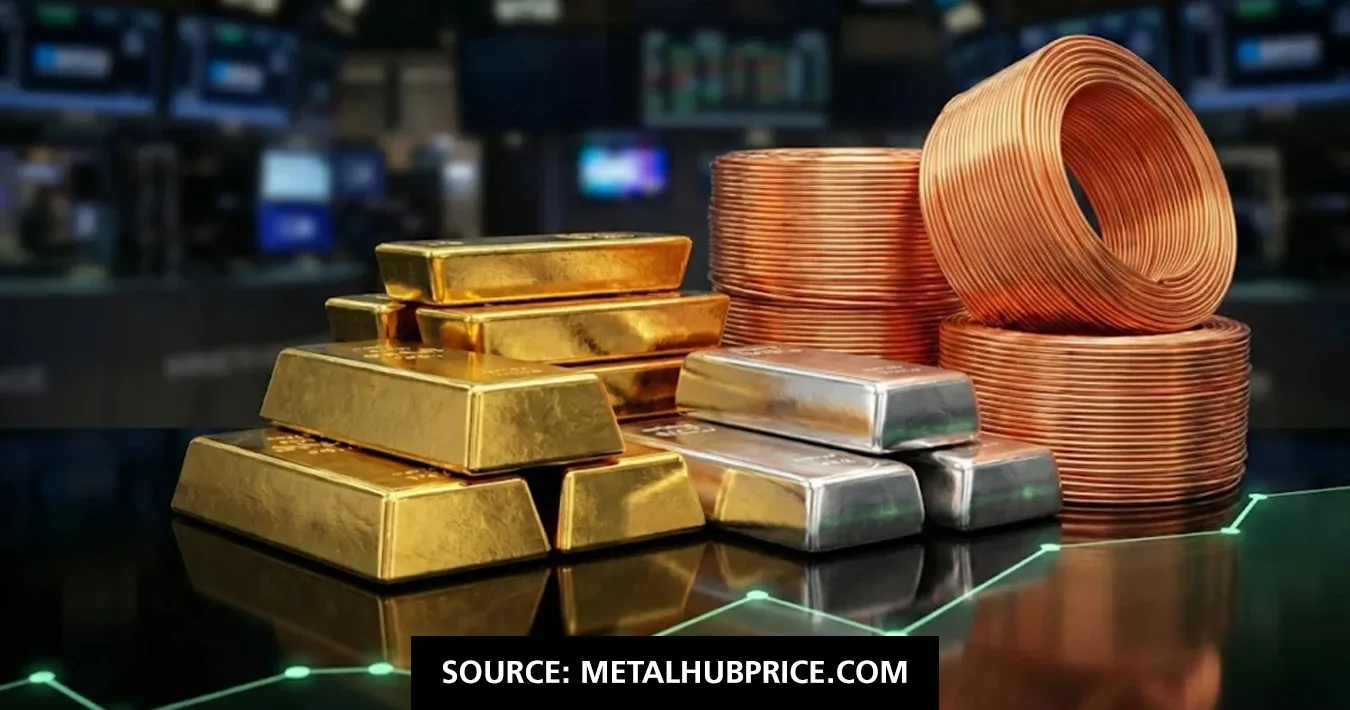
When most people think about investing in metals, gold and silver typically come to mind. But base metals like copper, aluminum, and zinc represent an entirely different category of investment, one driven by industrial demand, global manufacturing trends, and infrastructure development rather than monetary or safe-haven motivations.
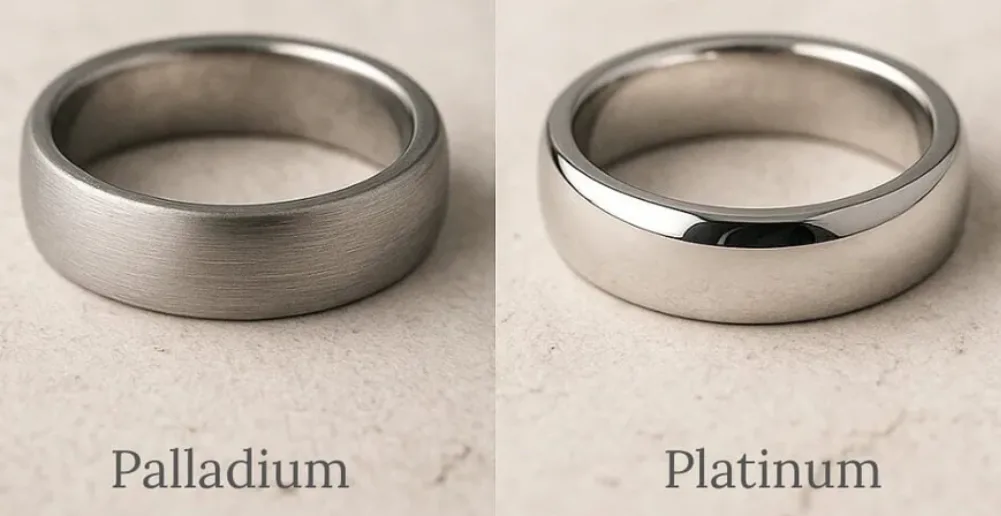
When people think of precious metals, gold and silver usually come to mind first. But platinum and palladium occupy a distinctive space of their own: they're classified as precious metals and traded as such, complete with their own bullion coins and bars, yet their prices are driven overwhelmingly by industrial demand rather than monetary or investment factors.
Few economic forces get more attention from metals investors than inflation and interest rates. Headlines about central bank decisions and inflation reports routinely move metals prices within minutes of release. But the relationship isn't identical across all metals, gold, silver, and industrial metals like copper each respond through somewhat different channels.
Gold entered 2026 riding one of its strongest bull runs in decades. After gaining roughly 65% in 2025, its best annual performance since 1979, the metal set a new all-time high above $5,500 per ounce in January 2026. What happened next surprised many: prices pulled back sharply in March, falling more than 10% in a single month, the steepest monthly decline since 2013.
For most of the 20th century, gold's price wasn't really a "price" at all in the way we think of one today. It was a fixed legal rate, set by governments rather than markets. That changed in 1971, and what followed is one of the more instructive case studies in how geopolitics, inflation, and investor psychology interact to move an asset's price over time.
Buying gold or silver is only half the equation. Where and how you store it has a direct effect on its security, accessibility, and even its long-term value, since poor storage decisions can lead to loss, theft, or unnecessary costs. This guide walks through the main storage options, what to consider when choosing between them, and how insurance fits into the picture.
Buying gold or silver is only half the equation. Where and how you store it has a direct effect on its security, accessibility, and even its long-term value, since poor storage decisions can lead to loss, theft, or unnecessary costs. This guide walks through the main storage options, what to consider when choosing between them, and how insurance fits into the picture.
Gold broke below $4,000 for the first time in 8 months on July 1, 2026, falling from its $5,589 ATH (-29%). Silver hit a 2026 low of $55.63 (-54% from ATH). The 6 real reasons and institutional floor forecasts for 2026–2027.
Few economic forces get more attention from metals investors than inflation and interest rates. Headlines about central bank decisions and inflation reports routinely move metals prices within minutes of release. But the relationship isn't identical across all metals, gold, silver, and industrial metals like copper each respond through somewhat different channels.
When people think of precious metals, gold and silver usually come to mind first. But platinum and palladium occupy a distinctive space of their own: they're classified as precious metals and traded as such, complete with their own bullion coins and bars, yet their prices are driven overwhelmingly by industrial demand rather than monetary or investment factors.
Few economic forces get more attention from metals investors than inflation and interest rates. Headlines about central bank decisions and inflation reports routinely move metals prices within minutes of release. But the relationship isn't identical across all metals, gold, silver, and industrial metals like copper each respond through somewhat different channels.
If you've followed metal prices for any length of time, you've likely come across two different figures for the "same" metal: the spot price and the futures price. They're often close to each other, but they're not the same thing, and the difference between them tells you something useful about market expectations.
When people think of precious metals, gold and silver usually come to mind first. But platinum and palladium occupy a distinctive space of their own: they're classified as precious metals and traded as such, complete with their own bullion coins and bars, yet their prices are driven overwhelmingly by industrial demand rather than monetary or investment factors.
Few economic forces get more attention from metals investors than inflation and interest rates. Headlines about central bank decisions and inflation reports routinely move metals prices within minutes of release. But the relationship isn't identical across all metals, gold, silver, and industrial metals like copper each respond through somewhat different channels.
If you've followed metal prices for any length of time, you've likely come across two different figures for the "same" metal: the spot price and the futures price. They're often close to each other, but they're not the same thing, and the difference between them tells you something useful about market expectations.
Welcome to MetalHub, your live source for gold, silver, platinum and copper prices, quoted per ounce and per gram. We pull spot prices from professional market feeds and refresh them every minute, so you can follow the gold price today, compare 24K, 22K, 21K and 18K rates, convert between currencies and set a price alert before the market moves.
Live gold, silver and metal prices across karats, weights and countries.