
Platinum and Palladium: The Industrial Precious Metals
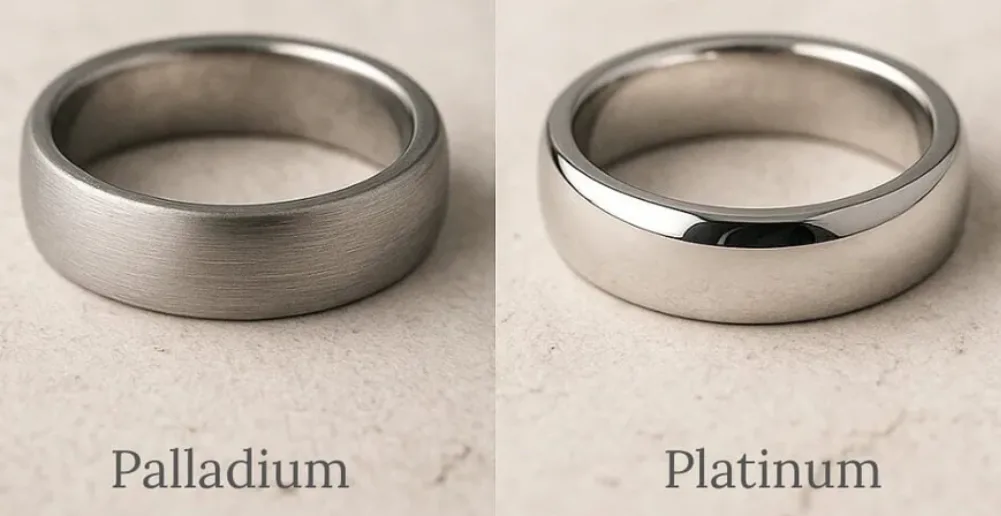
When people think of precious metals, gold and silver usually come to mind first. But platinum and palladium occupy a distinctive space of their own: they're classified as precious metals and traded as such, complete with their own bullion coins and bars, yet their prices are driven overwhelmingly by industrial demand rather than monetary or investment factors. Understanding this dual identity is the key to understanding how these two metals actually behave.
This article explains what platinum and palladium are used for, what drives their prices, and how they compare to both gold and to base industrial metals.
What Makes Platinum and Palladium "Precious" Metals
Platinum and palladium share several characteristics with gold and silver that justify their classification as precious metals: they're rare, durable, resistant to corrosion, and have a long history of use in jewelry and as stores of value. Both are traded on bullion markets, available as investment-grade coins and bars, and quoted with daily spot prices, just like gold and silver.
However, this classification can be somewhat misleading if it leads someone to expect platinum and palladium to behave like gold. In practice, their price drivers are dramatically different.
The Dominant Use: Catalytic Converters
The single most important use of both platinum and palladium is in catalytic converters, devices fitted to vehicle exhaust systems that convert harmful pollutants into less harmful emissions. This automotive application accounts for the majority of demand for both metals.
This is the central fact that explains most of platinum and palladium's price behavior: their fortunes are tied closely to the global automotive industry, vehicle production volumes, and emissions regulations, far more than to investment flows or monetary policy.
Palladium is primarily used in catalytic converters for gasoline (petrol) engines.
Platinum is primarily used in catalytic converters for diesel engines, though it also has a meaningful role in gasoline applications and several other industrial uses.
This distinction in engine type usage helps explain why the two metals can sometimes move quite differently from each other, depending on shifts in vehicle production trends, such as the relative popularity of diesel versus gasoline vehicles in different regions.
Other Major Uses of Platinum and Palladium
Beyond catalytic converters, both metals have additional applications:
Jewelry: platinum in particular has a long-standing position in fine jewelry, valued for its durability and naturally white color.
Electronics: both metals are used in various electronic components, including some used in computing and telecommunications.
Chemical and industrial catalysts: beyond vehicle emissions, both metals serve as catalysts in various industrial chemical processes, including in oil refining.
Hydrogen fuel cells: platinum plays a significant role in fuel cell technology, an application some analysts watch closely as a potential future demand driver tied to the broader energy transition.
Investment: both are available as bullion coins and bars, though investment demand represents a smaller share of total demand compared to gold.
What Drives Platinum and Palladium Prices
Global vehicle production. Since catalytic converters are fitted to new vehicles, production volumes are one of the most direct demand drivers for both metals. Slowdowns in auto manufacturing, whether due to economic conditions, supply chain disruptions, or other factors, tend to weigh on demand.
Emissions regulations. Stricter emissions standards generally require more catalytic material per vehicle, which can increase demand even without a corresponding rise in the number of vehicles produced. Regulatory changes in major markets are closely watched by industry analysts for this reason.
The shift toward electric vehicles. Battery electric vehicles don't use catalytic converters, since they have no exhaust emissions to treat. As electric vehicle adoption grows globally, this represents a structural headwind for platinum and palladium demand from the automotive sector specifically, a dynamic that has drawn significant attention from analysts in recent years.
Hybrid vehicles, by contrast, generally still require catalytic converters since they retain a combustion engine, meaning the transition's effect on demand depends heavily on which types of vehicles, fully electric versus hybrid versus traditional combustion, gain market share.
Mine supply concentration. Platinum and palladium mining is even more geographically concentrated than many other metals, with a small number of countries accounting for the large majority of global production. This concentration means that disruptions in major producing regions, whether from labor disputes, energy supply issues, or operational challenges, can have an outsized effect on global supply and prices.
Recycling. A meaningful portion of platinum and palladium supply comes from recycling, particularly from spent catalytic converters. Recycling volumes can fluctuate based on vehicle scrappage rates and metal prices themselves, adding another variable to the supply side.
How Platinum and Palladium Differ from Gold
It's worth being explicit about the contrast with gold, since the word "precious" can suggest more similarity than actually exists:
Demand composition: platinum and palladium demand is overwhelmingly industrial and automotive, while gold demand is overwhelmingly monetary, investment, and jewelry-related.
Safe-haven behavior: unlike gold, platinum and palladium generally don't see strong "safe-haven" buying during financial uncertainty; their prices are far more sensitive to industrial and automotive sector conditions.
Price volatility: both platinum and palladium have historically shown significant price volatility, often more pronounced than gold, reflecting their relatively smaller, less liquid markets and concentrated supply base.
Relationship with economic cycles: platinum and palladium prices tend to track economic and industrial cycles more closely than gold, similar in this respect to base industrial metals like copper.
Platinum vs. Palladium: How They Compare to Each Other
Although platinum and palladium share many demand drivers, their prices don't always move in lockstep. At different points in recent history, palladium has traded at a significant premium to platinum, and at other points the reverse has been true, reflecting shifts in relative automotive demand, supply disruptions specific to one metal, and changing substitution dynamics between the two metals in catalytic converter manufacturing.
This substitution potential is itself an important factor: when the price gap between the two metals becomes large, automakers have some ability to adjust catalytic converter formulations to use relatively more of the cheaper metal, which can help moderate extreme price divergences over time, though such adjustments take time to implement at scale.
Frequently Asked Questions
Are platinum and palladium good investments like gold?
They can be held as part of an investment or diversification strategy, but their price behavior is meaningfully different from gold's. Because their prices are driven primarily by automotive and industrial demand rather than monetary factors, they tend to behave more like industrial commodities than like a traditional safe-haven asset.
Will the shift to electric vehicles eliminate demand for these metals?
It's likely to reduce automotive demand specifically, since battery electric vehicles don't require catalytic converters. However, other uses, including hydrogen fuel cells, electronics, and jewelry, mean demand isn't likely to disappear entirely, even as the automotive sector's role evolves. The net effect on overall demand depends on the pace of vehicle electrification relative to growth in other uses.
Why is palladium sometimes more expensive than platinum, even though platinum is generally considered the more prestigious metal in jewelry?
Price is driven by supply and demand fundamentals in their primary industrial uses, not by prestige. When gasoline vehicle production and stricter related emissions standards drove particularly strong palladium demand relative to available supply, palladium traded at a premium to platinum for an extended period, a reminder that industrial fundamentals, not traditional reputation, set the price.
Final Thoughts
Platinum and palladium occupy a distinctive position among precious metals: classified and traded alongside gold and silver, but driven by an entirely different set of forces rooted in automotive manufacturing, emissions regulations, and industrial demand. Understanding this distinction, rather than assuming these metals will behave like gold simply because they share the "precious metals" label, provides a much clearer foundation for interpreting their price movements and considering their place, if any, within a broader portfolio.