
How to Buy Gold and Silver: A Step-by-Step Guide for Beginners
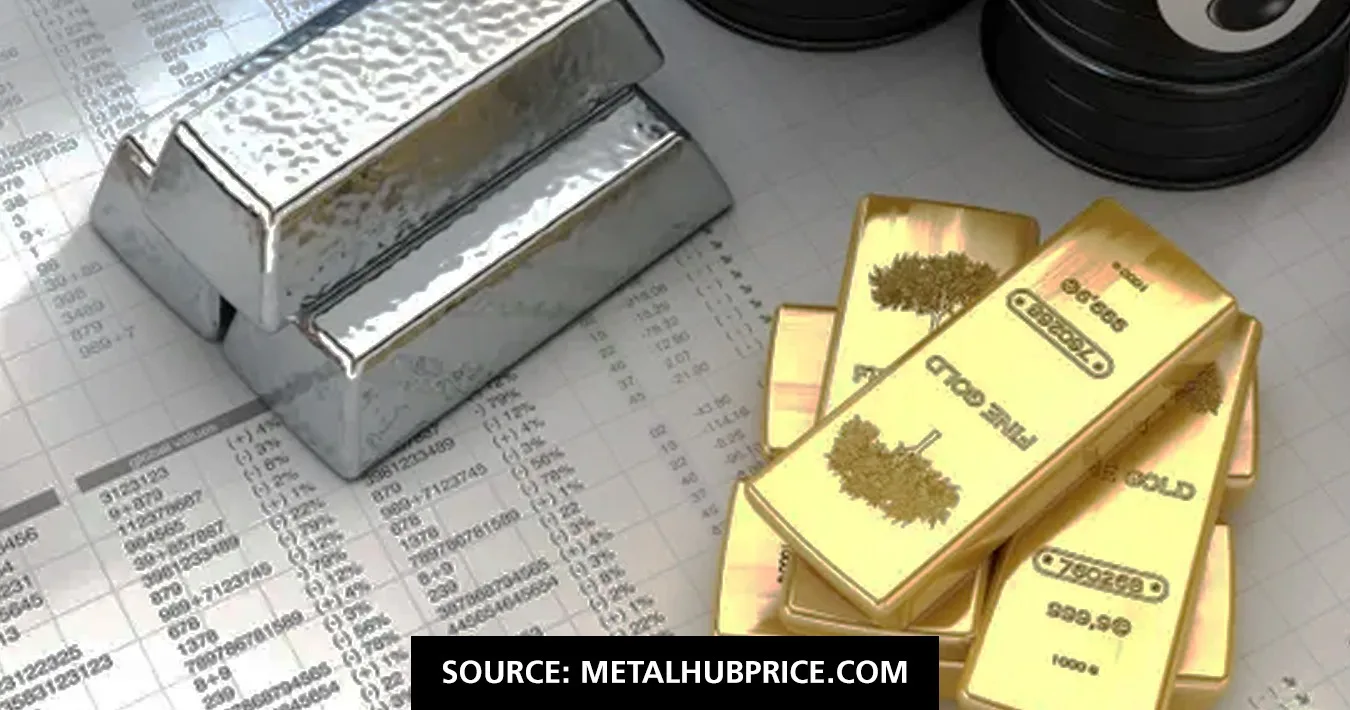
For first-time buyers, the precious metals market can feel surprisingly confusing. Should you buy coins or bars? Is jewelry a good investment? What's a "premium," and why does it matter? Where do you even buy gold safely?
The good news is that buying gold and silver doesn't have to be complicated once you understand a handful of basic concepts. This guide walks through the practical steps — from deciding why you're buying, to understanding pricing, to avoiding the most common beginner mistakes.
Step 1: Decide Why You're Buying
Before looking at any specific product, it helps to be clear on your goal, because it shapes everything else.
Long-term savings or wealth preservation. If you're buying gold or silver as a way to protect savings over years or decades, liquidity and low ongoing costs matter more than having an attractive design.
Short- to medium-term investment. If you're trying to benefit from price movements over months or a few years, you'll care more about how easily and cheaply you can buy and sell.
Collecting. Numismatic or commemorative coins can carry value beyond their metal content, but this is a different market with its own expertise requirements, and isn't a substitute for straightforward bullion investing.
Most beginners fall into the first two categories, and the rest of this guide focuses on those.
Step 2: Understand the Different Ways to Own Gold and Silver
There isn't just one way to "buy gold." The main options are:
Physical bullion — coins and bars. This is direct ownership of the metal itself, typically in standardized weights (such as 1 oz, 10 oz, 1 kg) and high purity (.999 or .9999 fine). This is the most direct way to hold precious metals, but it comes with storage and security considerations.
Jewelry. While jewelry contains gold or silver, it's generally a poor choice for investment purposes. You pay for craftsmanship, design, and brand on top of the metal value — a premium you're unlikely to recover if you later sell it back as scrap.
Gold- or silver-backed ETFs and funds. These are financial products that track the metal's price without requiring you to store anything physically. They're convenient and liquid, but you don't hold the physical metal — you hold a financial claim, with its own fees and counterparty considerations.
Mining company shares. These give exposure to companies that produce gold or silver, but their value depends on far more than just the metal price — management decisions, production costs, and broader stock market conditions all play a role. This is a different kind of investment, not a direct substitute for owning the metal.
Digital gold and allocated accounts. Some platforms let you buy a fractional, specific quantity of metal that's stored on your behalf, often with the option to take physical delivery later. These can bridge the gap between physical ownership and the convenience of an online account — but it's worth checking exactly what you're entitled to and how the storage is structured.
Step 3: Learn the Basic Units and Purity Terms
A few terms come up constantly:
Troy ounce. The standard unit for precious metals pricing globally, equal to about 31.1 grams — slightly heavier than a regular ounce.
Fineness/purity. Investment-grade gold bars and coins are typically .999 or .9999 fine (99.9% or 99.99% pure gold). Silver bullion is commonly .999 fine.
Karats. Used mainly for jewelry, not bullion. 24K is pure gold; 22K, 18K, and lower karats contain other metals mixed in for durability.
Hallmarks. Stamps on coins and bars indicating the manufacturer, weight, and purity — an important first check for authenticity.
Knowing these terms helps you compare products on a like-for-like basis, rather than just comparing sticker prices.
Step 4: Understand Premiums Over Spot Price
The "spot price" you see quoted is the wholesale price for pure gold or silver traded in bulk. When you buy a coin or small bar, you'll pay the spot price plus a premium that covers minting costs, distribution, dealer margins, and demand for that specific product.
A few patterns to keep in mind:
Smaller items (such as 1 gram or 1/10 oz coins) carry a higher premium per ounce than larger bars, because fixed minting costs are spread over less metal.
Well-known, widely traded coins (such as major government mint coins) are often easier to resell and may carry a more predictable premium than obscure or limited-edition products.
Premiums can rise during periods of high demand, even if the underlying spot price hasn't moved much — so the price you pay isn't always a perfect mirror of "the gold price" in the news.
Step 5: Choose a Reputable Source
Where you buy matters as much as what you buy. Look for:
Established dealers, banks, or recognized mints with a verifiable track record.
Transparent pricing that clearly separates the spot price from the premium.
Clear policies on returns, buybacks, and authenticity guarantees.
Independent reviews or industry accreditation, where available.
Be cautious of deals priced significantly below the prevailing market — unusually low prices are one of the most common warning signs in the precious metals market.
Step 6: Verify Authenticity
For any physical purchase, check:
Hallmarks and markings matching the weight and purity stated.
Weight and dimensions, which should match official specifications for that product — a kitchen or jewelry scale can catch obvious discrepancies.
Certificates of authenticity, especially for bars from recognized refiners.
For larger purchases, some buyers choose to have items verified by a third-party assay service, particularly for older or less common products.
Step 7: Plan for Storage Before You Buy
Decide where your metal will be kept before you buy it — options range from a home safe, to a bank safety deposit box, to third-party vaulting services. Each has different trade-offs around accessibility, cost, and insurance, which we cover in detail in our dedicated guide on storing and insuring precious metals.
Step 8: Account for All the Costs
The price tag on a coin or bar isn't the whole story. Depending on where you buy and how you plan to hold your metal, consider:
The premium over spot price at purchase.
Any storage or insurance costs over time.
Local taxes or duties, which vary significantly between countries.
The "buy-back spread" — the difference between what you pay to buy and what a dealer will pay to buy it back from you.
Common Mistakes to Avoid
Treating jewelry as an investment. Its resale value rarely matches its purchase price.
Ignoring premiums entirely, and only comparing the spot price.
Buying from unverified sources to save a small amount, risking authenticity.
Putting all your funds into a single product or metal, rather than thinking about your overall goals.
Not planning for storage and resale before making a purchase.
Frequently Asked Questions
How much should a beginner invest in gold or silver? There's no universal answer — it depends on your overall financial situation and goals. Many people treat precious metals as one part of a broader set of savings or investments, rather than the entirety of it.
Is silver a good alternative to gold for beginners? Silver is generally more affordable per unit, which can make it easier to start with smaller amounts. However, silver prices tend to be more volatile than gold, and physical silver in larger quantities can be bulkier to store relative to its value.
Can I buy gold safely online? Yes, many reputable dealers and mints operate established online platforms with secure payment and shipping processes. The same principles apply as buying in person: verify the seller's reputation, check pricing transparency, and confirm authenticity guarantees.
Final Thoughts
Buying gold and silver doesn't require specialized expertise, but it does help to understand a few key concepts — the different forms of ownership, how premiums work, and what to check for authenticity — before making your first purchase. Taking time to plan your goals, choose a reputable source, and think through storage in advance will help your first purchase be a confident one, rather than a guessing game.