
A Beginner's Guide to Investing in Copper, Aluminum, and Zinc
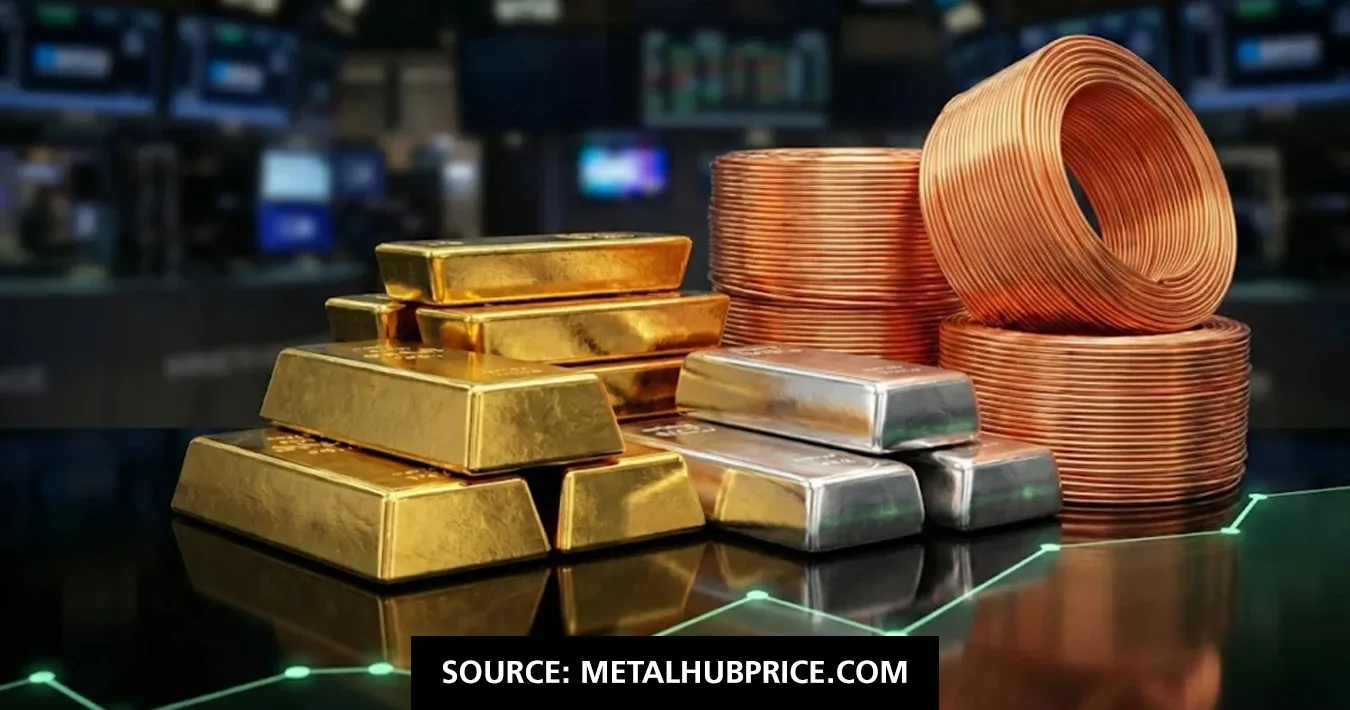
When most people think about investing in metals, gold and silver typically come to mind. But base metals like copper, aluminum, and zinc represent an entirely different category of investment, one driven by industrial demand, global manufacturing trends, and infrastructure development rather than monetary or safe-haven motivations.
This guide walks through what these metals are used for, the ways investors can gain exposure to them, and the key factors to understand before getting started.
Why Consider Base Metals at All?
Base metals offer a fundamentally different exposure than precious metals. Their prices respond primarily to real-world industrial activity: construction, manufacturing, electronics, and infrastructure development, rather than to interest rates or safe-haven demand in the way gold does.
Some investors are drawn to base metals specifically because this different behavior can offer diversification value within a broader portfolio. Others are interested because of structural demand trends, such as the growth of renewable energy and electric vehicles, both of which are notably metal-intensive compared to the technologies they're replacing.
Getting to Know the Three Metals
Copper is prized for its excellent electrical conductivity and is used extensively in wiring, electronics, plumbing, and increasingly in renewable energy and electric vehicle applications. It's sometimes referred to informally as an economic bellwether, since its demand correlates closely with global industrial activity.
Aluminum is valued for being lightweight, corrosion-resistant, and highly recyclable. It's used heavily in transportation (aircraft, automobiles, and increasingly electric vehicles, where weight reduction improves efficiency), packaging, construction, and electrical transmission lines. Aluminum production is notably energy-intensive, which means energy prices play an outsized role in its supply costs compared to many other metals.
Zinc is used primarily for galvanizing, coating steel and iron to prevent corrosion, which accounts for the majority of its demand. It's also used in batteries, die-casting alloys, and various industrial applications. Because galvanized steel is so widely used in construction and infrastructure, zinc demand tends to track construction activity closely.
Ways to Gain Exposure to Base Metals
Physical ownership. Unlike gold and silver, base metals are rarely bought and held by individual investors in physical form. They're typically traded and stored in large industrial quantities, bulk bars, ingots, or cathodes, through commercial supply chains rather than retail bullion markets. This makes direct physical ownership impractical for most individual investors.
Futures contracts. Base metals are actively traded on commodity exchanges through futures contracts. This is how much of the professional market gains exposure, but futures trading involves leverage and complexity that make it more suitable for experienced investors who understand the associated risks.
Exchange-traded funds (ETFs). Some ETFs track the price of a specific base metal, or a basket of industrial metals, offering exposure without requiring futures trading knowledge or physical storage. These are often the most accessible option for individual investors wanting direct price exposure.
Mining company shares. Investing in companies that mine and produce copper, aluminum, or zinc offers indirect exposure to metal prices, but share prices also depend on company-specific factors: production costs, management decisions, debt levels, and broader stock market conditions. This makes mining shares a meaningfully different kind of investment than direct exposure to the metal price itself.
Diversified commodity funds. Some broader commodity funds include base metals as part of a diversified basket alongside energy, agriculture, or precious metals, offering indirect exposure as part of a wider commodities allocation.
Key Factors That Drive Base Metal Prices
Global manufacturing and industrial activity. Since these metals are direct inputs into manufacturing, indicators of industrial health, such as purchasing managers' indices, tend to correlate with demand expectations.
China's economic activity. China is a dominant consumer of most base metals, given the scale of its manufacturing and construction sectors. Economic data and policy signals from China often have an outsized effect on base metal prices relative to many other commodities.
Construction and infrastructure spending. Copper, aluminum, and zinc all see substantial demand from construction activity, making housing data, infrastructure spending, and related economic indicators relevant to price expectations.
The energy transition. Electric vehicles, renewable energy generation, and grid infrastructure all require more of certain base metals, particularly copper and aluminum, than the technologies they're replacing, adding a structural demand layer that some investors view as a long-term trend distinct from typical industrial cycles.
Energy costs. This matters especially for aluminum, given how energy-intensive its production process is; rising energy prices can directly affect aluminum supply costs and, by extension, prices.
Currency movements. Like other internationally traded commodities, base metals are typically priced in US dollars, so dollar strength or weakness affects their price in other currencies, similar to the dynamic described for gold and silver.
Inventory levels. Exchange-monitored warehouse inventories are tracked by market participants as an indicator of the current supply-demand balance.
How Base Metals Differ from Precious Metals as Investments
It's worth being explicit about several important differences:
No safe-haven behavior: base metals generally don't benefit from "flight to safety" buying during financial uncertainty; in fact, they often weaken during periods of acute economic stress, since such stress typically signals weaker industrial demand ahead.
Closer correlation with economic cycles: base metal prices tend to track economic growth and industrial activity more directly than gold or silver.
Limited retail physical market: unlike gold and silver coins and bars, there's no significant retail market for physical base metals, meaning most individual exposure comes through financial instruments rather than direct ownership.
No long-standing monetary role: base metals haven't historically functioned as currency or stores of value in the way precious metals have, so their price isn't influenced by the same inflation-hedge or store-of-value narratives.
A Few Things to Keep in Mind Before Investing
Volatility. Base metal prices can be volatile, particularly during periods of significant change in global manufacturing activity or unexpected supply disruptions.
Concentration risk. Production of some base metals is concentrated in a relatively small number of countries, meaning geopolitical or operational disruptions in major producing regions can have an outsized effect on global prices.
Correlation with broader economic cycles. Because base metal demand is closely tied to economic activity, these investments may perform poorly during the same periods that other growth-sensitive investments, such as many stocks, also struggle, which is worth considering for anyone hoping base metals will diversify away broader portfolio risk.
Complexity of access. Compared to buying a gold coin from a reputable dealer, gaining exposure to base metals typically requires using brokerage accounts, ETFs, or futures platforms, an extra layer of complexity worth understanding before getting started.
Frequently Asked Questions
Is investing in base metals riskier than investing in gold?
Risk depends on the specific investment vehicle and time horizon, but base metals generally show different volatility patterns than gold, often more closely tied to economic cycles. They shouldn't be assumed to behave like a more "stable" version of precious metals; their risk profile is genuinely different, not simply higher or lower.
Can I buy physical copper or aluminum the way I'd buy gold coins?
It's technically possible to buy small physical quantities from some specialty dealers, but there's no established retail bullion market for base metals comparable to gold and silver, and physical base metals don't carry the same liquidity or resale infrastructure.
Do base metal prices move with the stock market?
There can be meaningful correlation, since both are influenced by overall economic growth expectations, though the relationship isn't perfect and can vary depending on what's specifically driving stock market movements at a given time.
Final Thoughts
Copper, aluminum, and zinc offer a way to invest based on global industrial activity, infrastructure development, and structural trends like the energy transition, a fundamentally different proposition than investing in gold or silver. Understanding how each metal is used, what drives its price, and which investment vehicle suits your goals and risk tolerance is an essential first step before adding base metals exposure to a portfolio.